
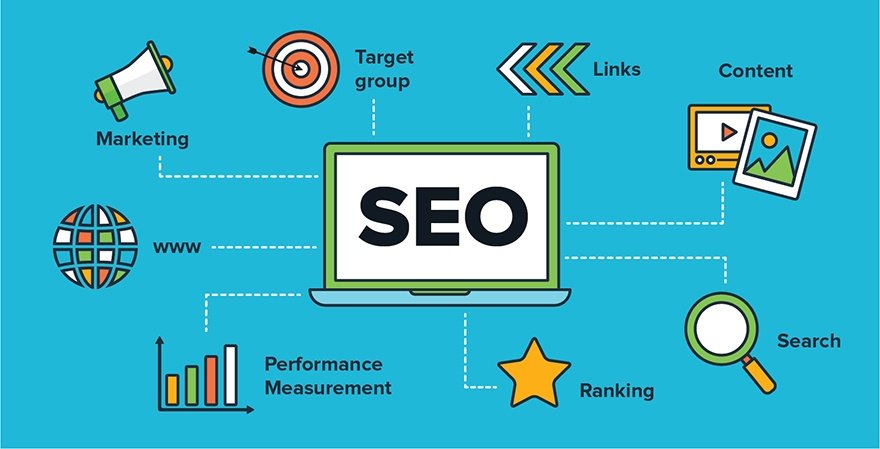
Search Engine Optimization, commonly known as SEO, is one of the most important aspects of digital marketing. SEO is the process of improving a website’s visibility on search engines like Google, Bing, and Yahoo. The main goal of SEO is to increase organic traffic by helping websites rank higher in search engine results pages (SERPs). In today’s competitive digital world, businesses rely heavily on SEO to attract potential customers and build a strong online presence.
When users search for products, services, or information online, they usually click on the top results displayed by search engines. Websites that appear on the first page receive more traffic, visibility, and credibility compared to lower-ranked websites. SEO helps businesses achieve better rankings by optimizing various elements of a website according to search engine guidelines.
SEO can be divided into three major categories: On-Page SEO, Off-Page SEO, and Technical SEO. On-Page SEO focuses on optimizing the content and structure of a website. This includes keyword optimization, title tags, meta descriptions, image optimization, internal linking, and creating high-quality content. Keywords play an important role because they help search engines understand the topic of a webpage. Using relevant keywords naturally within content improves the chances of ranking for user searches.
Off-Page SEO focuses on activities performed outside the website to improve its authority and trustworthiness. One of the most common off-page techniques is link building. Backlinks from high-quality and trusted websites signal to search engines that the website contains valuable information. Social media sharing, guest blogging, influencer collaborations, and online mentions also contribute to off-page SEO performance.
Technical SEO ensures that a website functions properly and provides a good user experience. It involves optimizing website speed, mobile responsiveness, site security, XML sitemaps, structured data, and crawlability. Search engines prefer websites that load quickly and work smoothly on all devices. A technically optimized website improves both user experience and search engine rankings.
Content plays a major role in SEO success. Search engines prioritize websites that provide useful, informative, and relevant content to users. Blogs, articles, videos, FAQs, and guides help answer user queries and improve engagement. Regularly updated content also signals freshness to search engines, which can positively impact rankings.
Local SEO is another important aspect for businesses targeting customers in specific locations. Local SEO helps businesses appear in local search results and map listings. Optimizing Google Business Profile, collecting customer reviews, and using location-based keywords improve local visibility and attract nearby customers.
One of the biggest advantages of SEO is that it generates long-term results. Unlike paid advertisements that stop delivering traffic once the budget ends, SEO continues to drive organic traffic over time with proper maintenance. It is also cost-effective compared to many traditional marketing methods.
SEO is constantly evolving due to changes in search engine algorithms and user behavior. Marketers need to stay updated with the latest trends and best practices to maintain website performance. Factors such as voice search, artificial intelligence, and user experience are becoming increasingly important in modern SEO strategies.
In conclusion, SEO is an essential digital marketing strategy that helps businesses improve online visibility, attract targeted traffic, and increase credibility. A well-optimized website not only ranks better on search engines but also delivers a better experience for users. Businesses that invest in SEO can achieve sustainable growth and long-term success in the digital marketplace.